

Cultural insights into gambling How traditions shape perceptions and practices
Cultural insights into gambling How traditions shape perceptions and practices
The Historical Context of Gambling
Gambling has been a part of human culture for centuries, with roots tracing back to ancient civilizations. The earliest records indicate that games of chance were played in Mesopotamia, as well as in ancient China and Greece. Each culture developed its own unique forms of gambling, often tied to religious rituals or community events. These early practices laid the foundation for modern gambling, intertwining it with social and cultural contexts that continue to shape perceptions today. Additionally, many enthusiasts look for reputable options online, such as https://mythoswincasinoonline.com/, to explore casino experiences.
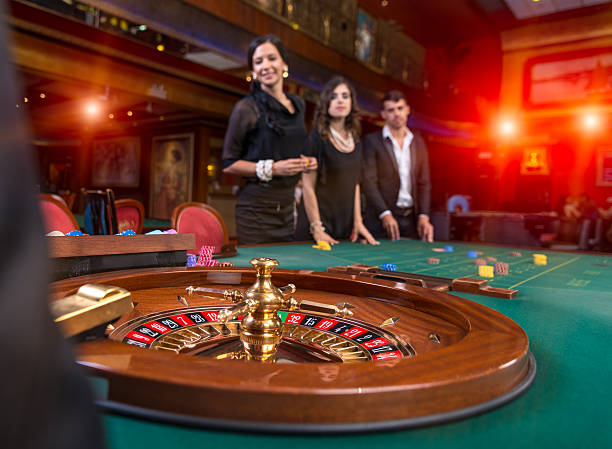
The evolution of gambling across different societies shows how it has served various functions. For instance, in ancient Rome, betting on gladiatorial games was commonplace and served as a way to engage the public in entertainment. This historical significance reveals how gambling was more than a pastime; it was a reflection of societal values and community dynamics, highlighting the deeply embedded nature of gambling in human interaction.
Moreover, the transition of gambling into more organized forms, such as lotteries and casinos, occurred in response to societal changes. For example, the establishment of state-sponsored lotteries in Europe during the Renaissance not only generated revenue but also created a sense of shared community involvement. These historical precedents continue to influence contemporary views on gambling, with traditional perceptions often rooted in the long-standing practices of the past.
Cultural Variations in Gambling Practices
The perception of gambling varies significantly across cultures, influenced by local traditions, beliefs, and societal norms. In some cultures, gambling is viewed as a legitimate form of entertainment, while in others, it is considered taboo. For instance, in many Western cultures, casinos are seen as social hubs where people gather for entertainment. Conversely, in several Asian cultures, gambling can be associated with moral dilemmas, leading to stricter regulations and societal disdain.
In countries like Japan, gambling is tightly regulated, with specific forms such as Pachinko being widely accepted. This acceptance is rooted in the cultural significance of skill-based games, which are seen as less morally ambiguous. By understanding these cultural distinctions, one can appreciate the diverse attitudes toward gambling and how they shape practices and policies in different regions.
Furthermore, rituals surrounding gambling activities often vary from one culture to another. For instance, in some Native American cultures, gambling is not only a recreational activity but also a means of cultural expression and community development. Events like powwows may incorporate games, symbolizing a blend of tradition and modern gambling practices, illustrating how culture shapes the way gambling is perceived and integrated into daily life.
The Role of Religion and Beliefs
Religion plays a significant role in shaping attitudes toward gambling. In many cultures, religious teachings influence whether gambling is considered acceptable or sinful. For example, in Islam, gambling is prohibited due to its perceived harmful effects on individuals and society, which has led to a unique relationship with gambling in many Muslim-majority countries. The societal implications of such religious beliefs create a strong aversion to gambling, which influences laws and community standards.
On the other hand, some religious traditions view gambling as an opportunity for charity. In Christianity, for instance, charitable gambling events such as bingo have become popular, blending community engagement with fundraising. These differing religious perspectives highlight how beliefs can legitimize certain gambling practices while simultaneously denouncing others, thus shaping societal views and behaviors.
The interplay between religious beliefs and gambling also manifests in rituals and ceremonies. In some cultures, gambling events are accompanied by prayers or blessings, reflecting a desire for good fortune. This fusion of spirituality and gambling illustrates how traditions can create a culturally rich tapestry that influences both individual behavior and community norms.
The Impact of Modernization on Gambling Perceptions
As societies modernize, perceptions of gambling are often influenced by technological advancements and globalization. The rise of online gambling platforms has transformed traditional practices, making gambling more accessible than ever before. This accessibility has changed how societies view gambling, often normalizing it as part of everyday life. However, this shift has also sparked concerns about addiction and the moral implications of easy access.
Modernization has also led to a more diverse range of gambling options, catering to various preferences and cultural attitudes. In countries like the United States, the introduction of sports betting has garnered significant attention and acceptance, reflecting changing societal values toward risk and chance. This shift demonstrates how cultural perceptions can evolve in response to new opportunities and challenges in the gambling landscape.
Additionally, the portrayal of gambling in media and popular culture plays a significant role in shaping public perceptions. Movies, television shows, and advertising often glamorize gambling, contributing to its acceptance in mainstream culture. However, these representations can also lead to misconceptions about the risks involved, emphasizing the need for a balanced understanding of both the positive and negative aspects of gambling in a modern context.

Exploring Cultural Insights on Our Platform
Understanding the intricate dynamics of gambling across different cultures is essential for both players and industry stakeholders. Our platform seeks to provide valuable insights into these cultural narratives, offering resources that help users navigate the complex world of gambling. By exploring various traditions and practices, we aim to enhance the knowledge of our users, making informed choices in their gambling experiences.
We celebrate the rich tapestry of cultural perspectives on gambling, recognizing how traditions shape perceptions and practices. This not only helps in understanding the broader implications of gambling but also encourages responsible gaming. Our platform is dedicated to fostering an environment where users can engage with gambling in a meaningful way, appreciating the cultural contexts that influence their experiences.
Through education and community engagement, we strive to empower individuals to explore gambling responsibly, blending enjoyment with cultural understanding. Our commitment to providing comprehensive insights makes our platform a valuable resource for anyone interested in the multifaceted world of gambling. Join us in uncovering the rich cultural narratives that shape this fascinating domain.